
This story in the Los Angeles Times is a great primer on the value and threats to native chaparral vegetation in California. More people in more sprawl developments and more infrastructure like roads and power lines mean more accidental wildfires. According to the article, “Frequent big fires mean that shrublands that would naturally burn at intervals of 30 to 60 years — or even a century or more — are sometimes torched at intervals of a decade or less. When that happens, resprouting species don’t have sufficient time to regrow. Non-sprouting shrubs can’t reach maturity and shower the ground with a new seed bank. Invaders can then take over in a process ecologists call type conversion.
More wildfires, drought and climate change bring devastating changes to California wildlands


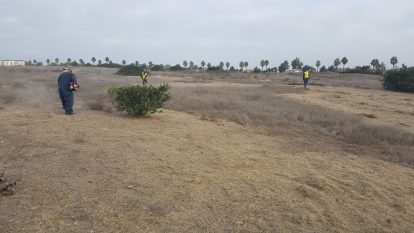


 Fighting for vernal pools and the other special subtle nature of San Diego may seem like a fools errand. It’s not. One wealthy woman who cared saved Torrey Pines State Natural Reserve forever. One small group of Del Mar residents saved Torrey Pines Extension and another goup saved nearby Crest Canyon. One vernal pool scientist and her attorney saved an incredible vernal pool site in Tierra Santa. A small group saved the Carmel Mountain and Del Mar Mesa preserves and all their vernal pools. A small group saved Coyote Canyon in Anza Borrego Desert State Park from a freeway and stagnant flooding behind a proposed dam. One woman stopped the dam proposed to flood the sublime Pamo Valley near Ramona. One woman stopped a huge landfill in Campo. And one man has fought off the huge Fanita Ranch sprawl subdivision in Santee for over twenty years. Imagine what more could change for the better if everyone did one thing to fight to save nature.
 The bookkeeper will be an independent contractor and hours will vary. We estimate about 20 hours per month. The rate of pay is $25 per hour. To apply, please send your resume to: